State changes leave a record
Every task has a work log you can write on. With states turned on, each state change and each stuck reason is also recorded there with a date. Come Friday, the update does not have to come entirely from memory.
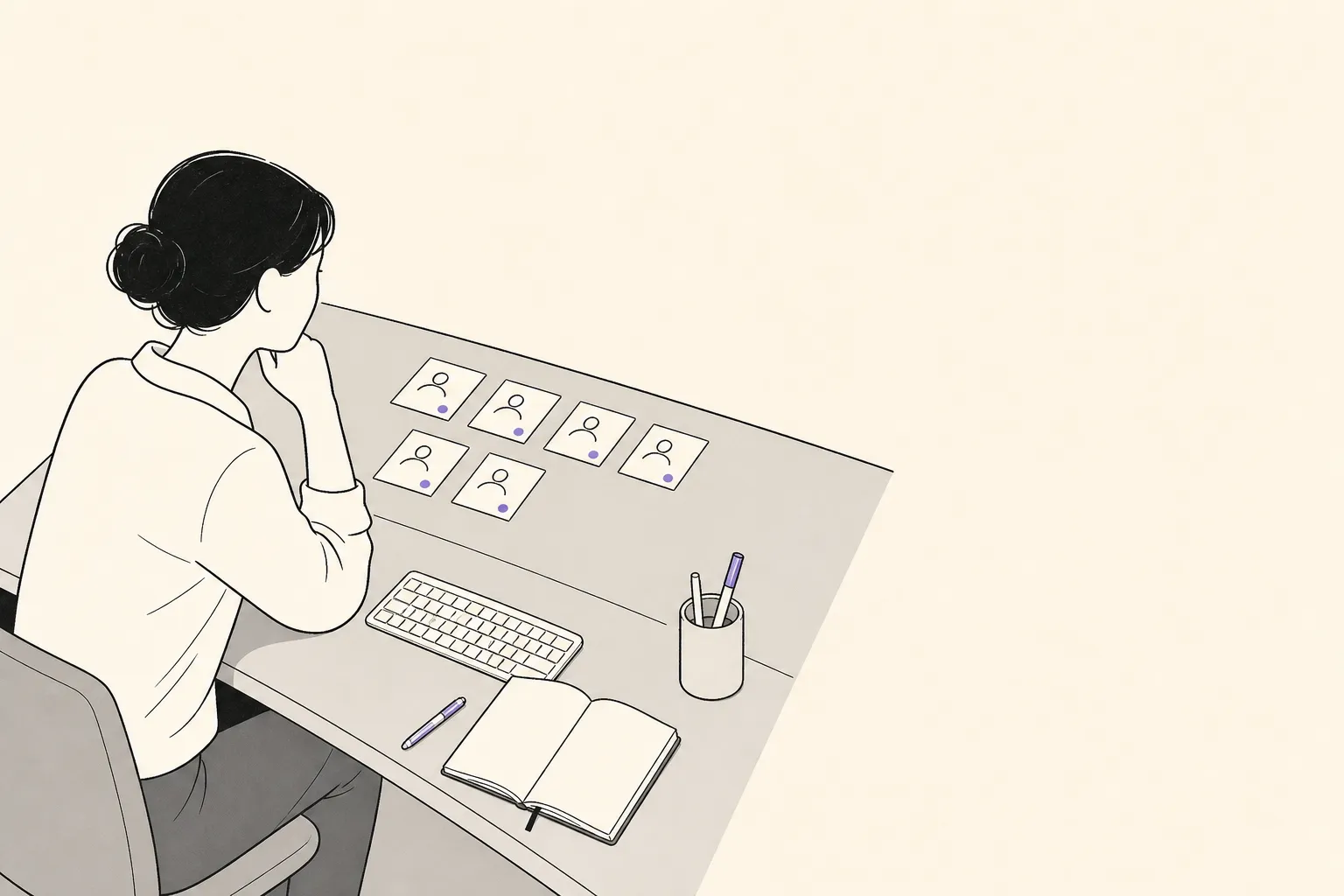
For engineering leads
You still write code, and you are also the person who has to know the state of six things you are not writing. Both halves end up in the same list, and the list treats them identically.


01 / The problem
Your own tasks and the ones you are tracking on someone else’s behalf look the same in a flat list. So does a task you are blocked on and a task you have chosen not to start. Everything is a line with a date.
When the weekly update is due, commits show only part of the work. Tickets use a different structure, and the conversations that unblocked someone often have no record at all.
The update is written from memory, so useful work is easily left out.
02 / ReminderMAP · try it in your browser
A browser demo on sample data, enough to show you how it works. The Mac app is faster and it runs on your own reminders. Nothing here is saved; refresh puts it back.
03 / What helps
Every task has a work log you can write on. With states turned on, each state change and each stuck reason is also recorded there with a date. Come Friday, the update does not have to come entirely from memory.
Stuck carries a line about what it is waiting on, so the things sitting on a review or a decision are visibly different from the things you simply have not started. Colour follows it up the tree, so a branch tells you it needs attention.
Completed work stays grouped by month and list, with repeating tasks folded into one line. Quarterly reviews and one to ones start from a record instead of an hour spent reconstructing one.
04 / Getting it
Free to download. Notes you write in the work log are free. The entries state changes leave behind, along with the months of finished work, come with the paid tier.